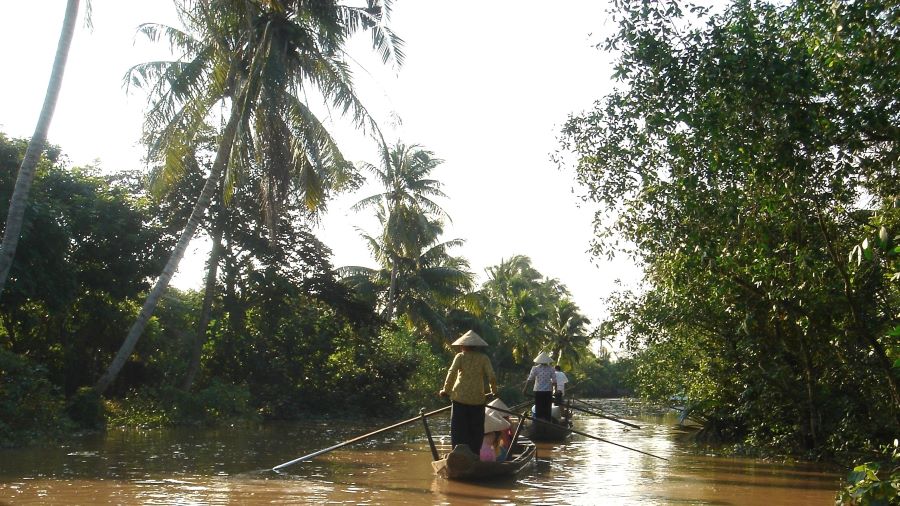
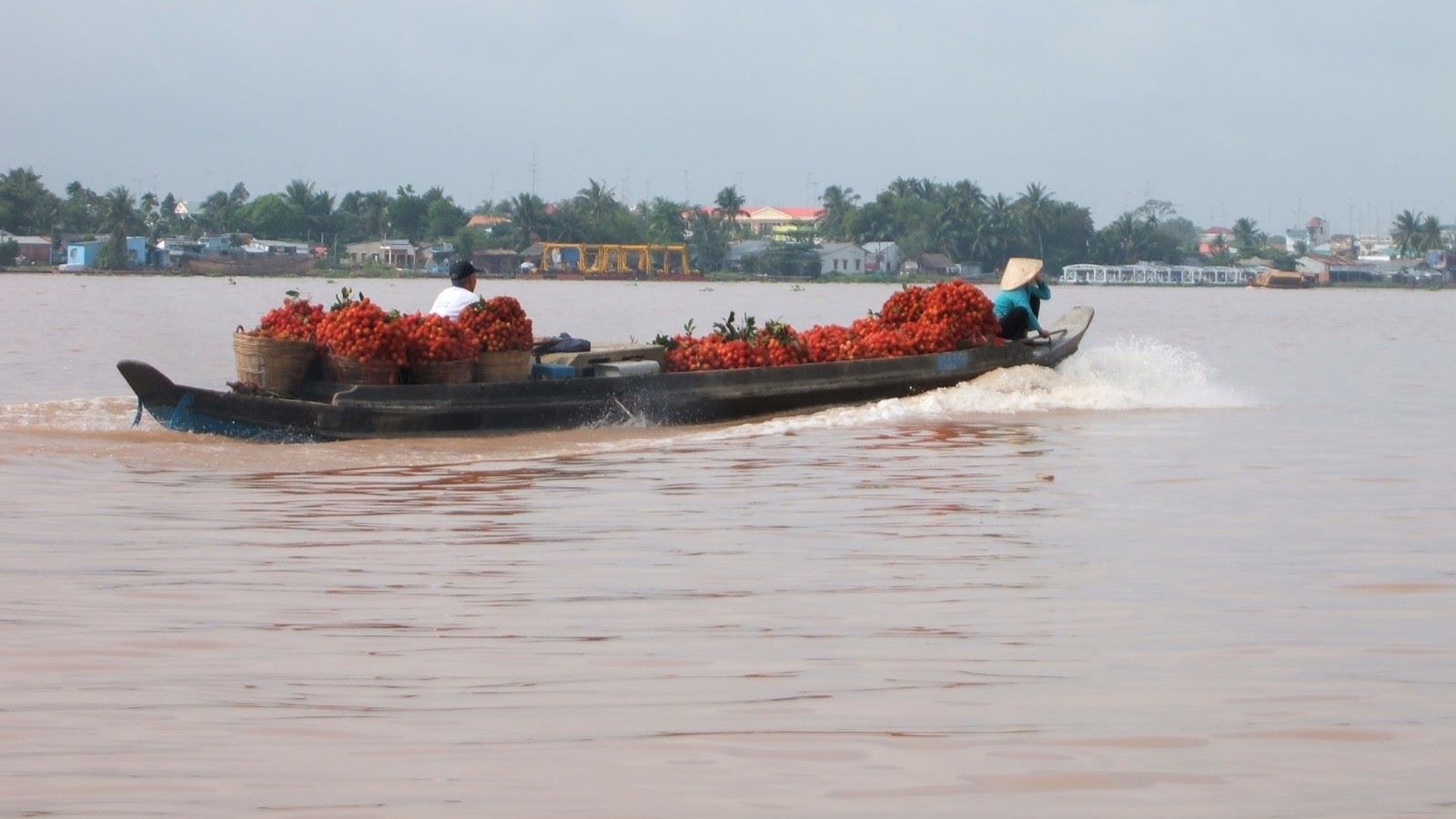
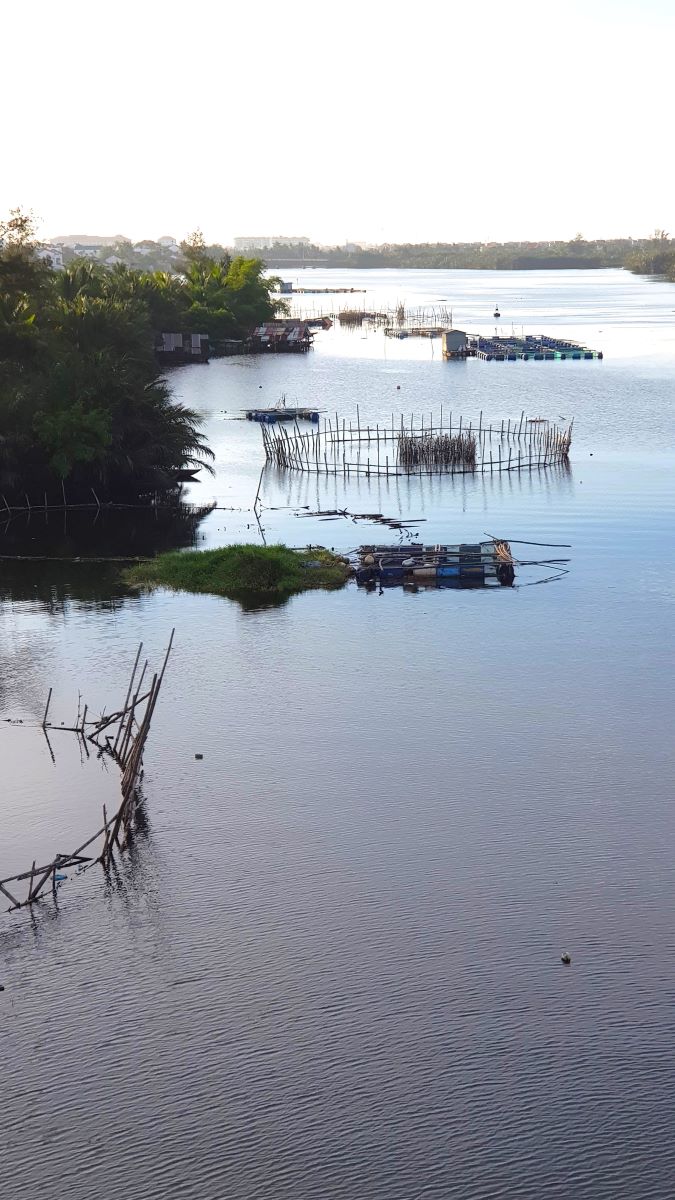
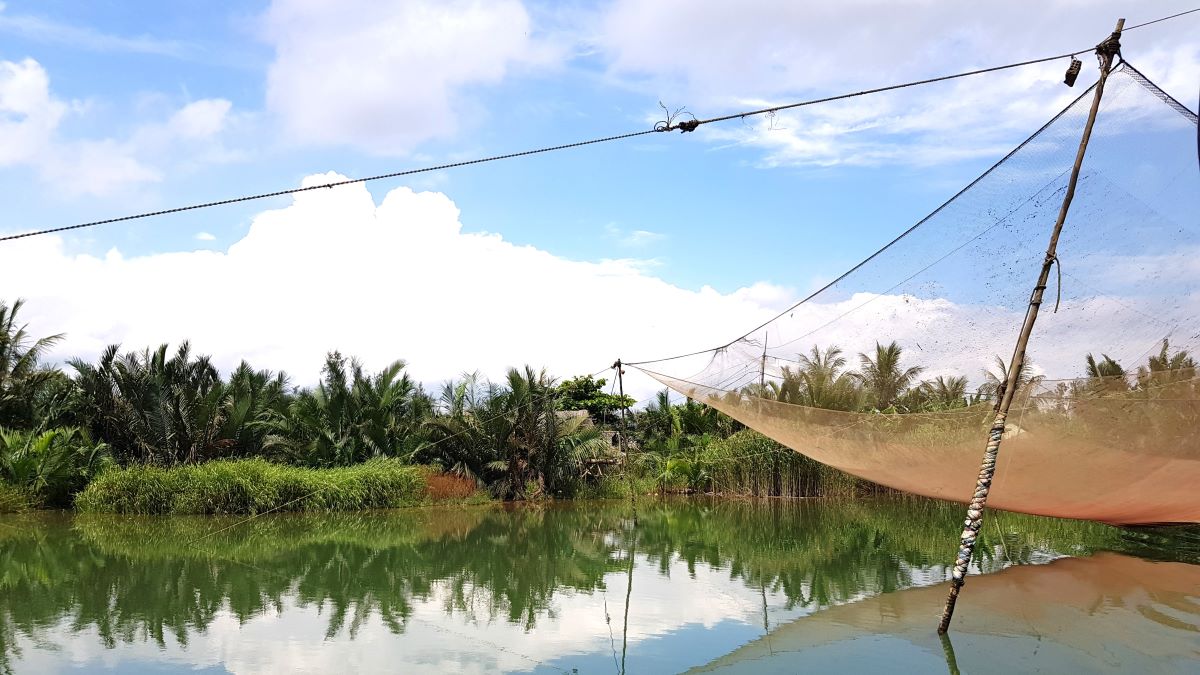
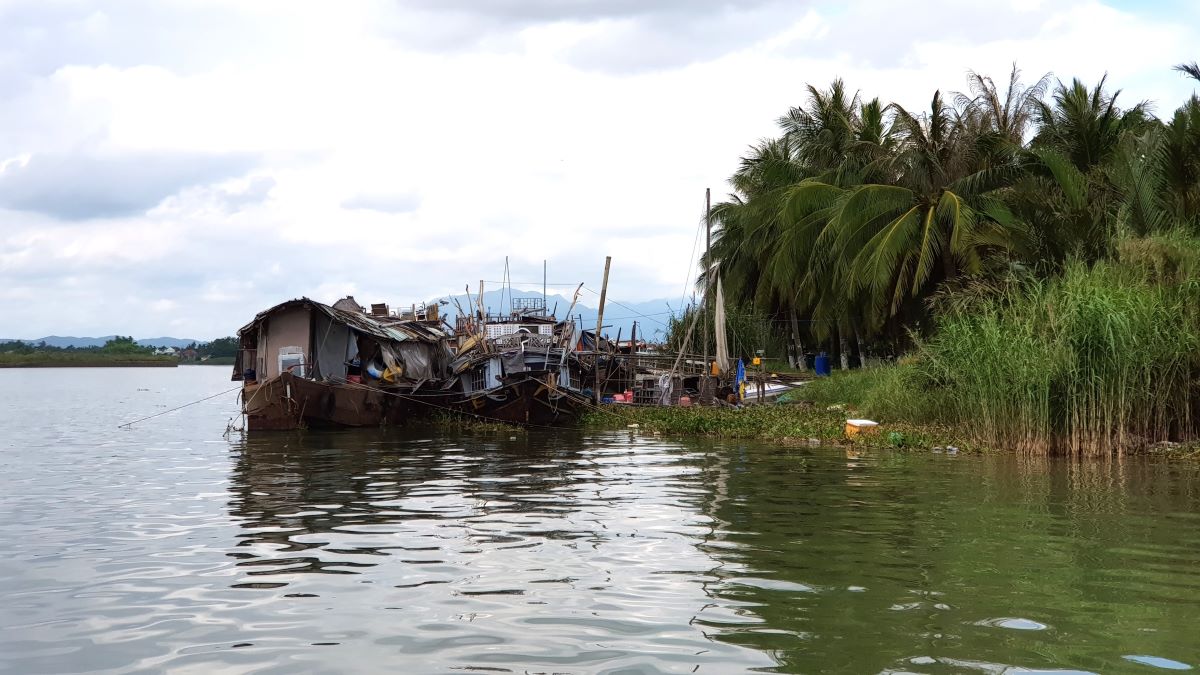
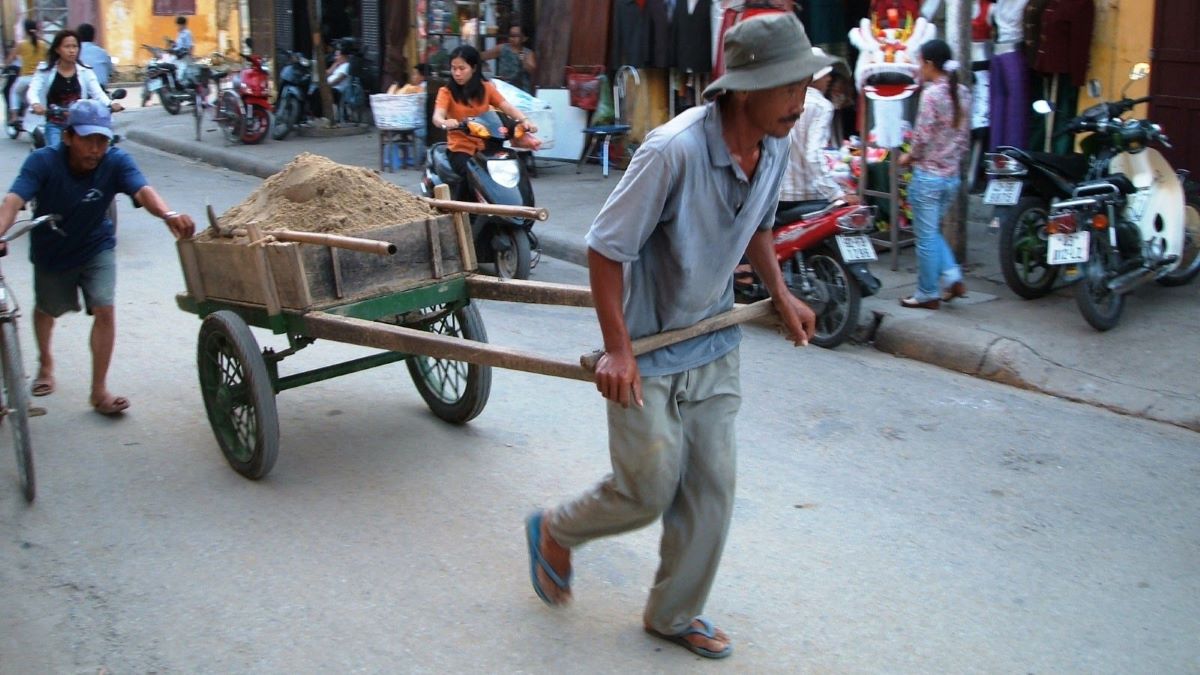
The Mekong River is a meandering monsoonal ribbon, rising in China and flowing south through Laos, Thailand, Cambodia and Vietnam. It provides the lifeblood for millions of people dependant on its flow for water, power, transport, trade and agriculture. It’s possible to get a glimpse of a simpler life, sampling a homestay in one of the many tributaries and channels of the Mekong delta in southern Vietnam. Quiet byways branch out and hidden villages come into view. A different, slower pace of life than Vietnam’s boisterous cities. The character of the river and delta will inevitably change in coming years as the higher reaches of the Mekong are dammed to provide hydroelectricity.
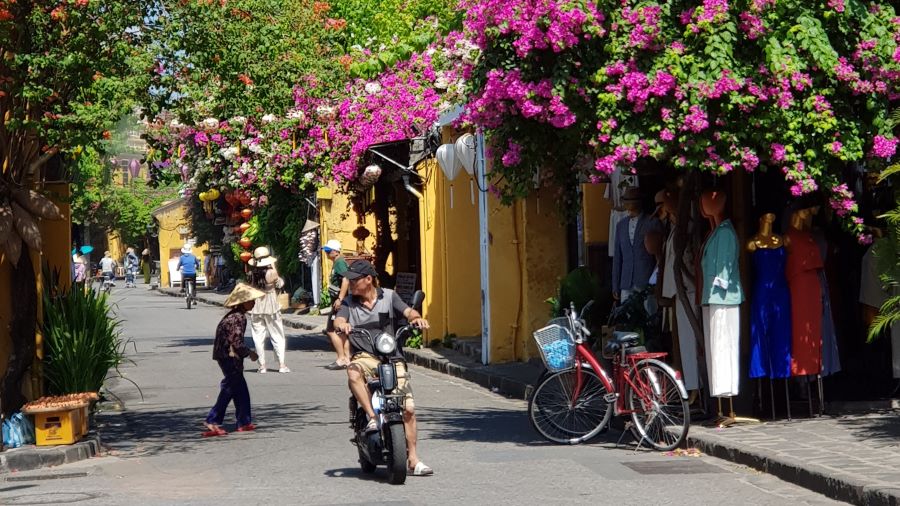
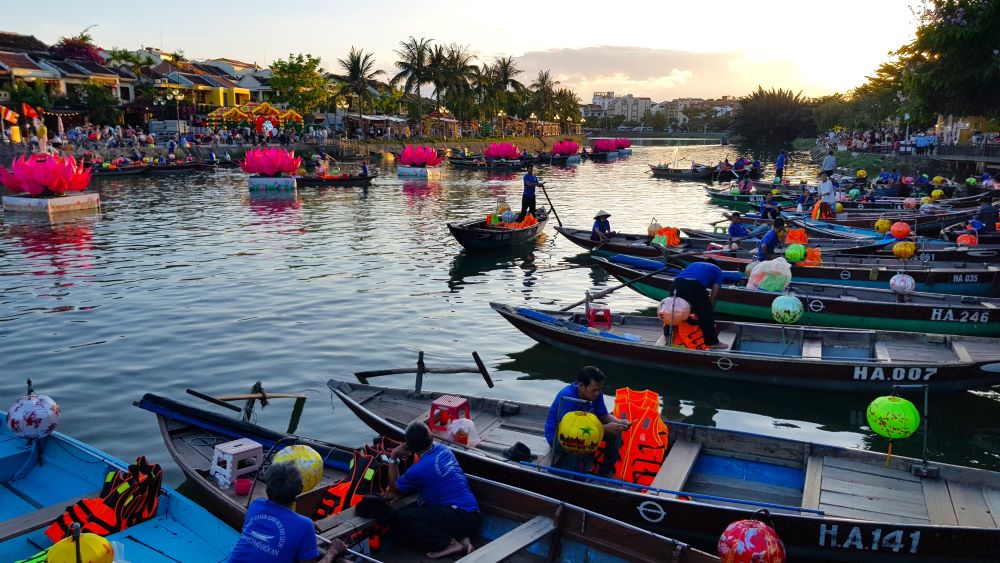
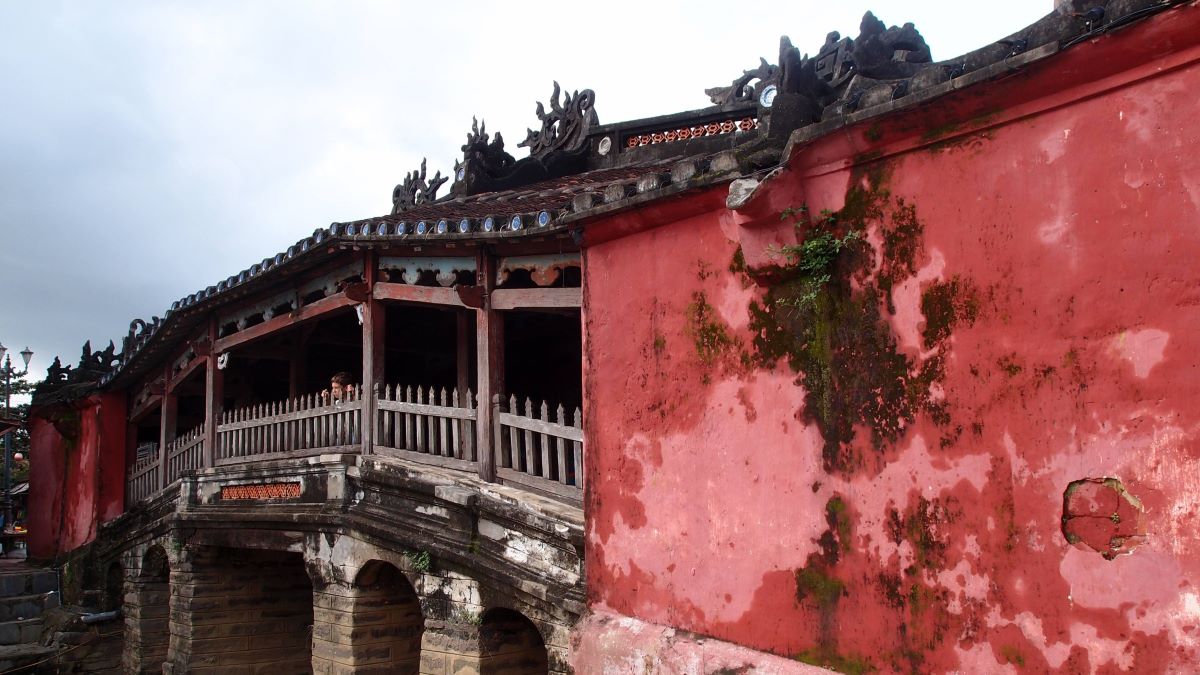
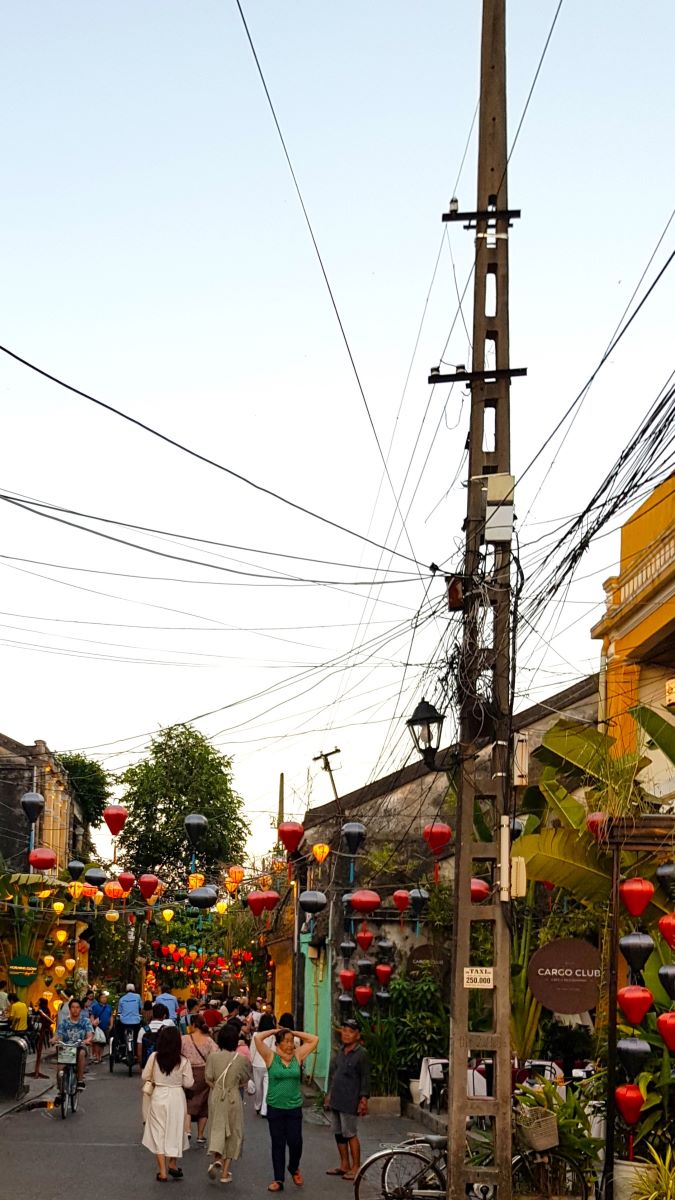
The ‘superstar’ on the Vietnam travel trail, UN World Heritage site Hoi An is a colourful butterfly that has emerged from a long history of maritime trade across Asia. Chinese, Japanese and even European traders came to this port in days gone by and their influence is evident throughout the old town. The Japanese Bridge links the town. There are different houses of worship scattered around that reflect the stories of people who came here and helped Hoi An what it is today.
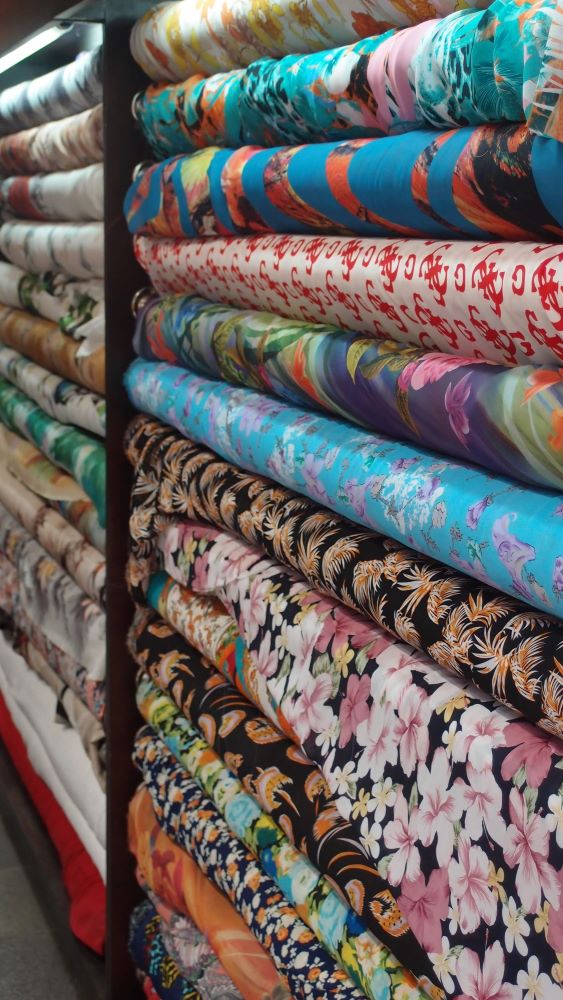
Hoi An is of course famous for tailoring. Many storefronts are set up to create whatever you desire – and will do so in unbelievably quick time. Shop smart and look for quality rather than speed. In addition to clothing, shoes and leathergoods can also be made to your design.
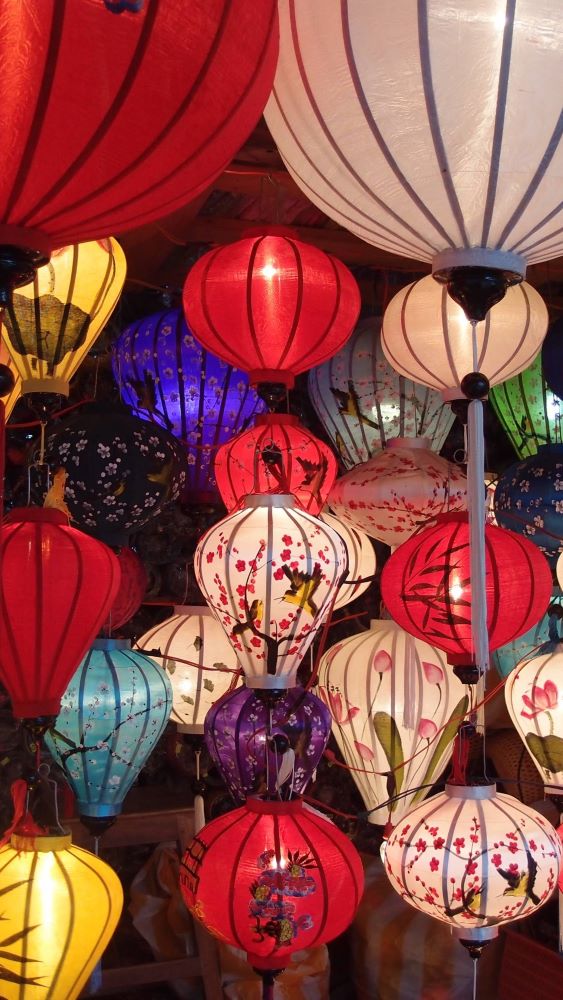
There are many opportunities to immerse yourself in local traditions, as well as some newer experiences designed with tourists in mind. Take a boat down the river, for an evening pleasure cruise or further afield. Enjoy a cooking class or see how lanterns are made. Work up a hunger for delicious local specialties bursting with fresh flavours. Or simply relax by the beach and watch fishermen set out to sea in impossible round woven baskets that have somehow evolved as local fishing craft.
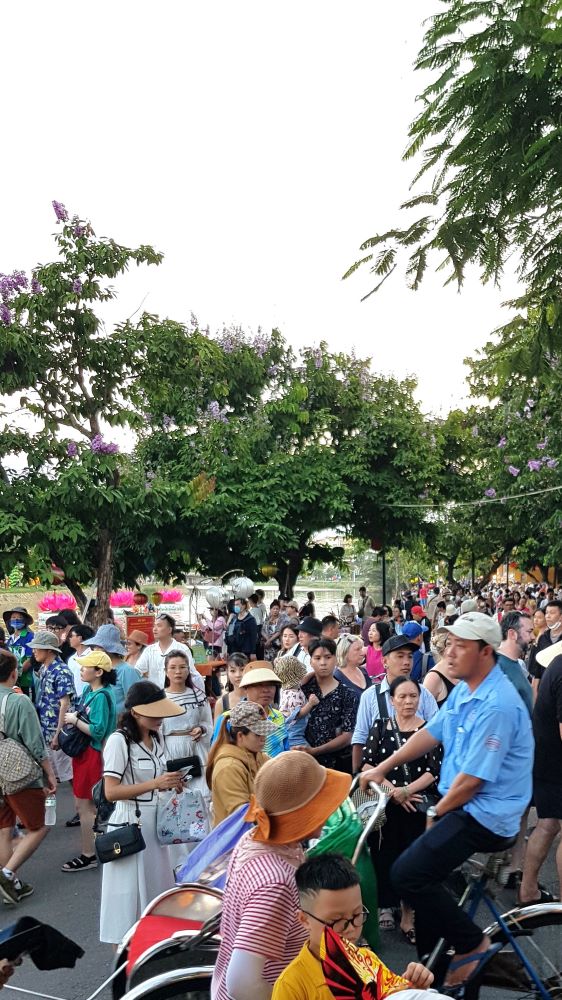
More about Hoi An here. Be aware the popularity of Hoi An means it can be busy anytime, but particularly so at sunset and during holiday periods. Check times and visit the old town when the streets are closed to traffic.
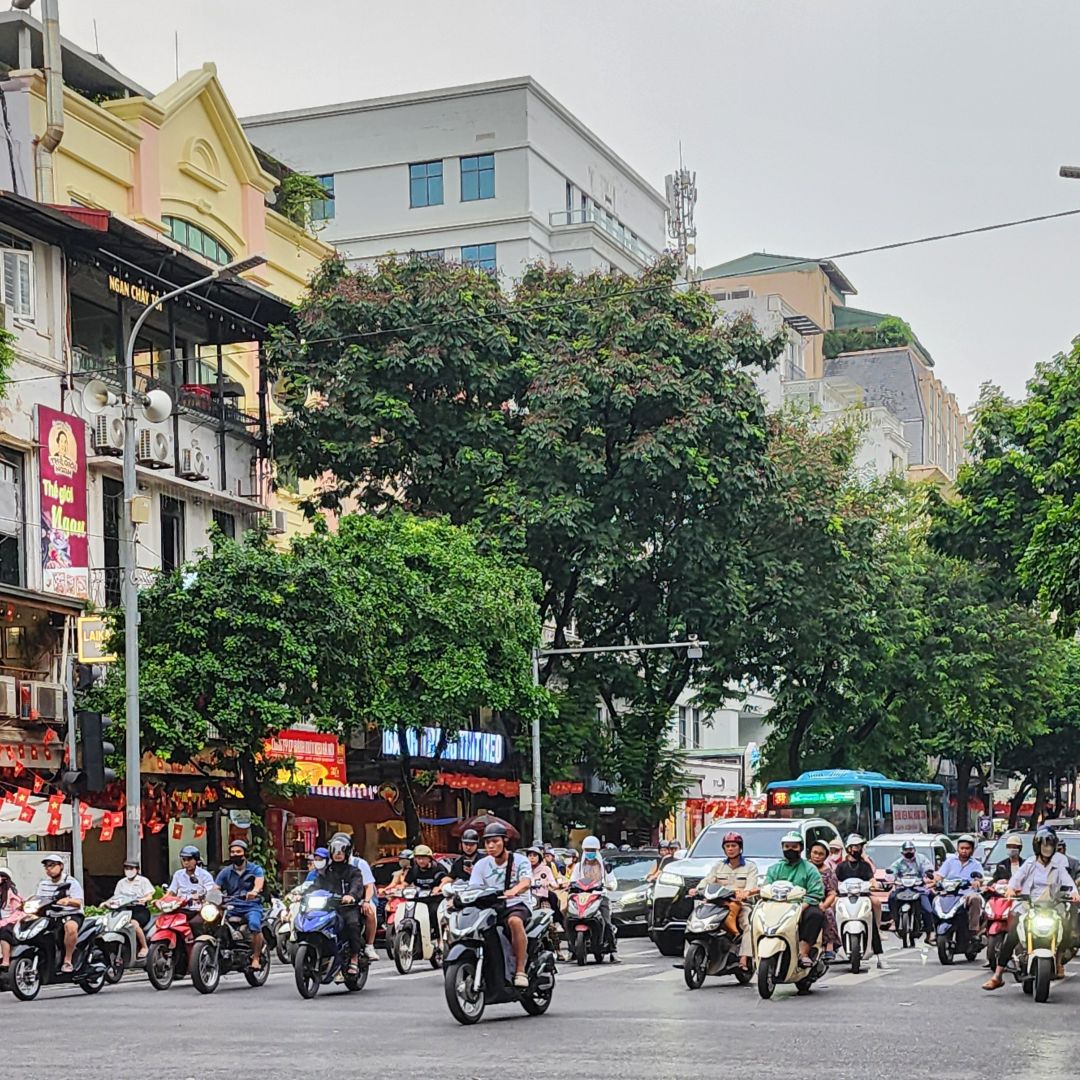
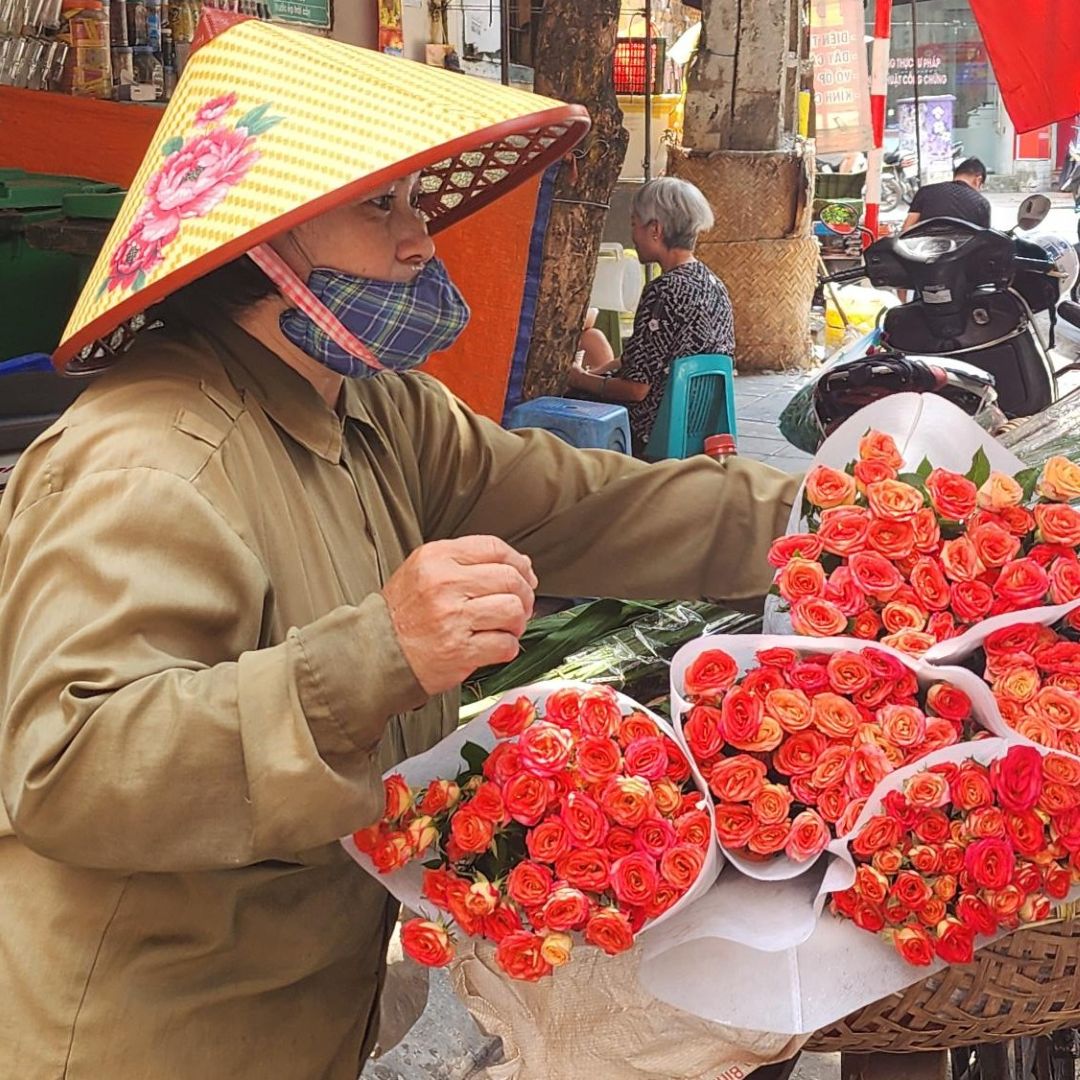
Hanoi, Vietnam’s northern most major city is home to almost 9 million people – and almost as many motorbikes. The city is a thriving mix of new, emerging Vietnam, and preserved history including the Old Quarter. Here you will find winding streets, street food, vendors and a vibrant sense of a city on the move.
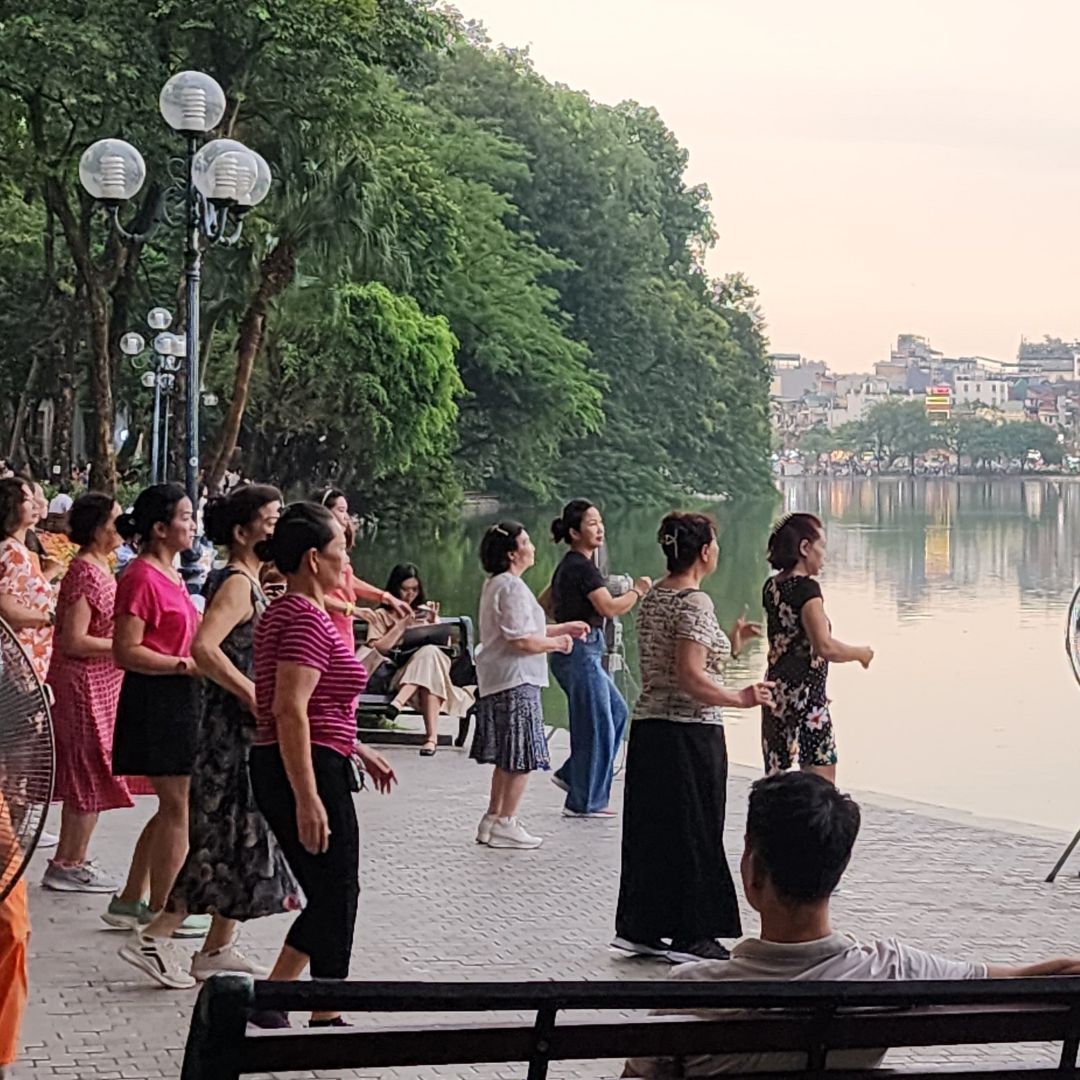
Hoan Kiem lake, in the centre of the city, draws locals to its tranquil shores in the evening. It’s an oasis of calm after a hot, frenetic day. You’ll see groups of (mostly) women dancing and exercising in the cool of day’s end. Step away and follow any one of the narrow streets and you’ll find yourself in the heart of the Old Quarter. Streets are closed on the weekend, and good-natured crowds (and we mean CROWDS) eat, drink, and socialise into the night.
The National Fine Art Museum showcases the history of Vietnam, including sections on its imperial past, and the ‘American War’. Fine examples of sculpture and painting in different media – worth a visit for a broader perspective on Vietnam.
Walking to the Museum, from the Old Quarter, you’ll come across Hanoi’s famous ‘train street’. Train tracks run down the centre of this narrow street, and it’s become a tourist highlight to sit outside a cafe and await the train’s arrival. As the train approaches, staff buzz around and fold up tables and chairs so the train can pass, it’s that close! Quite good fun, but something that would definitely not pass the safety police in most Western countries.
Central Vietnam offers many thought-provoking contradictions. Lush, green, vibrant and welcoming the city of Da Nang is the gateway to this important region. We suggest a ‘refresher’ on the Vietnam War (often known as the American War in Vietnam) before visiting.
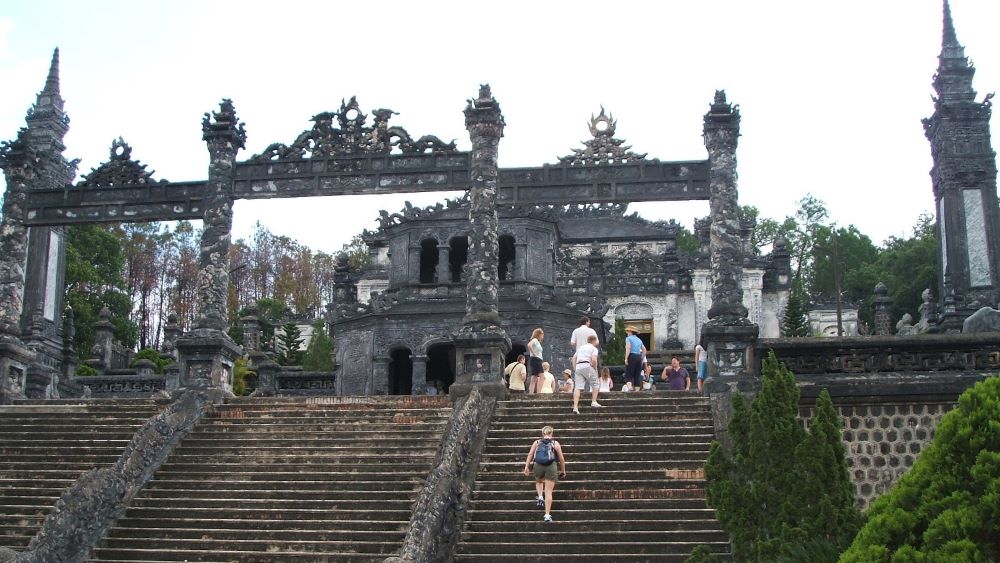
Historic locations like the Kai Dinh Mausoleum built around 1920, the amazing tunnels and caves of the Marble Mountains and the ancient royal city of Hue sit in close proximity to China Beach (My Khe Beach), so named by US and other western servicemen on recreational leave.
The place that the Vietnam War holds deep in our collective consciousness comes to the surface here in central Vietnam. The long-standing impact of the war is juxtaposed against the modern, energetic city of Da Nang, gateway to central Vietnam. Past and progress – worth pondering and reflecting on the ways of the world. Australian rock band Cold Chisel wrote this song about the life of a Khe San veteran struggling to find his place in the post-war world.
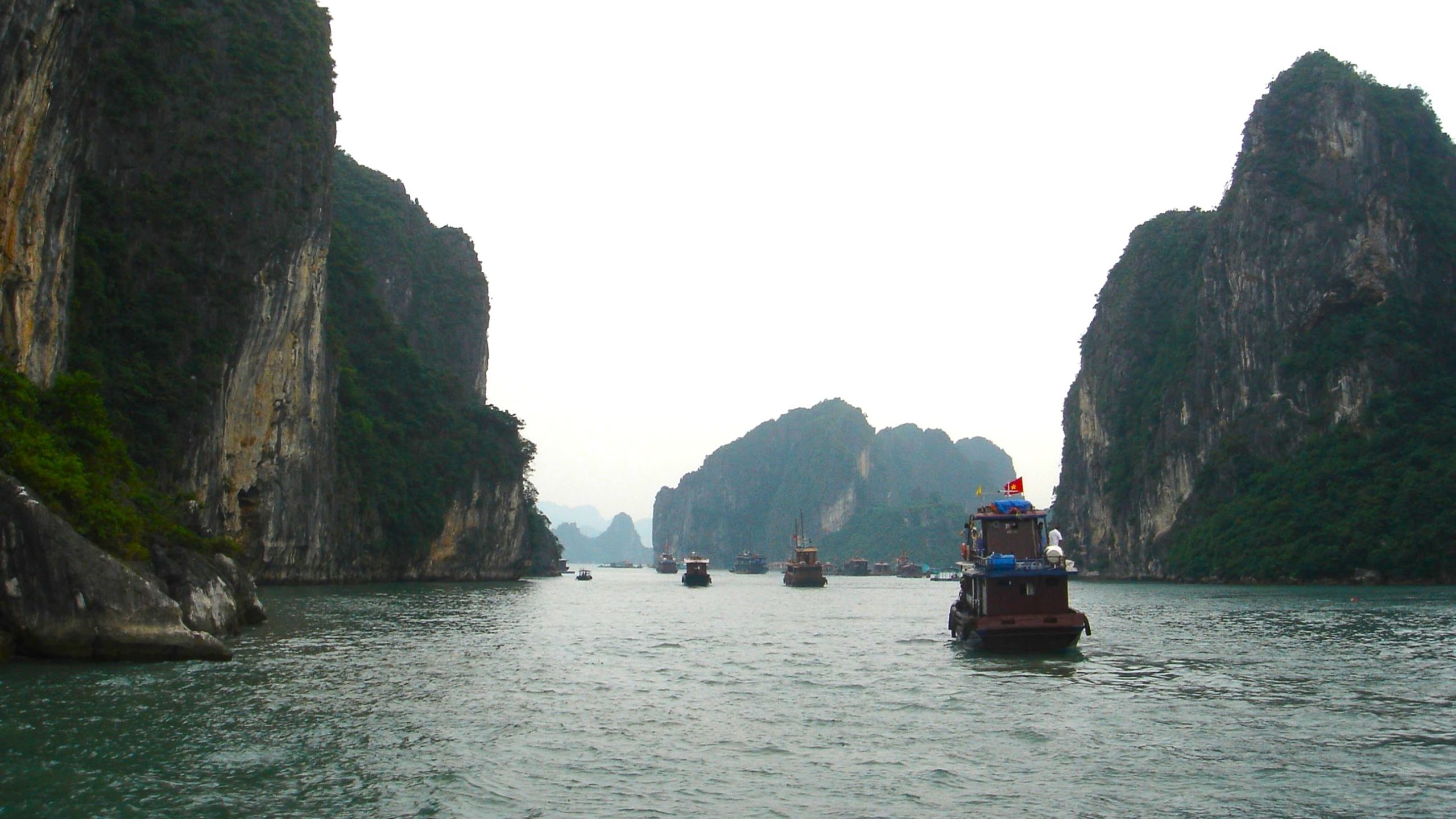
The UNESCO World Heritage Convention describes ‘Ha Long Bay, in the Gulf of Tonkin, (as) includ(ing) some 1,600 islands and islets featuring spectacular limestone pillars rising from the sea, the eroded notches, arches and caves creating a picturesque and beautiful landscape…’
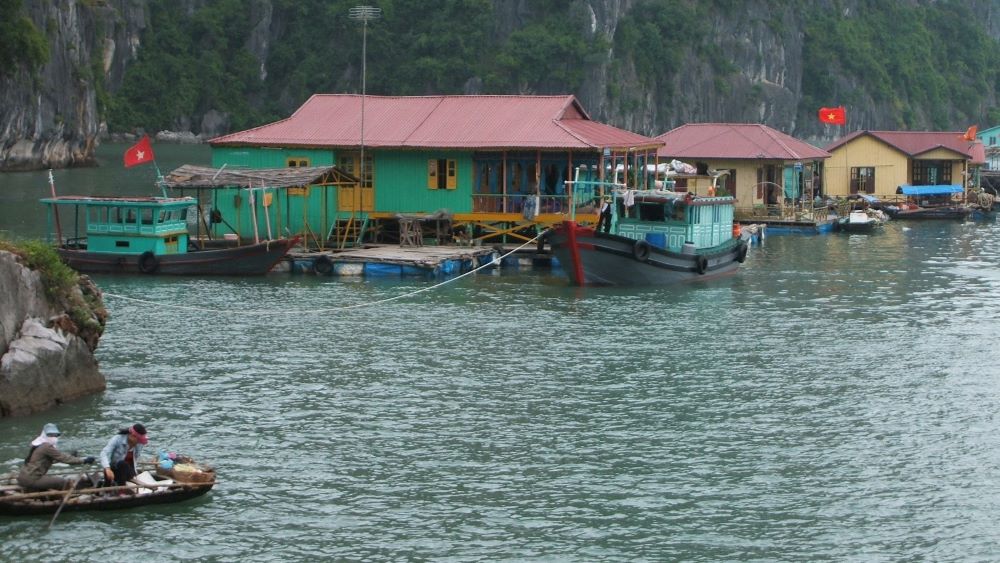
While many islands are not inhabited, there are people living in floating villages on the many waterways surrounding the islands. Tours operate from Hanoi. Day trips include approximately 2 hours of travel in each direction. Alternatively, stay the night either on land, or on one of the many tour vessels operating in the area. Try to get out to the more remote areas.
Sapa, along with the Ba Vi Mountains and Ninh Binh – coming soon! Watch this space.
Have you visited Vietnam? What stirred your curiosity? Send us a photo and let us know at ideas@travelsampler.world We’d love to hear from you.