Lisbon is of course Portugal’s capital. The river Targus rises in Spain, and meanders through Portugal to empty into the Atlantic here in Lisbon giving the city a distinct maritime flavour. Ships have set forth from here to the new world for hundreds of years, underlining Portugal’s sea going culture. The city nestles on the waterfront of the ‘Rio Tejo’ and rises through winding streets and hills. Trams are a welcome ride up many of the cobbled streets. Lisbon is an energetic city, with an appealing mix of history, culture, and waterways.
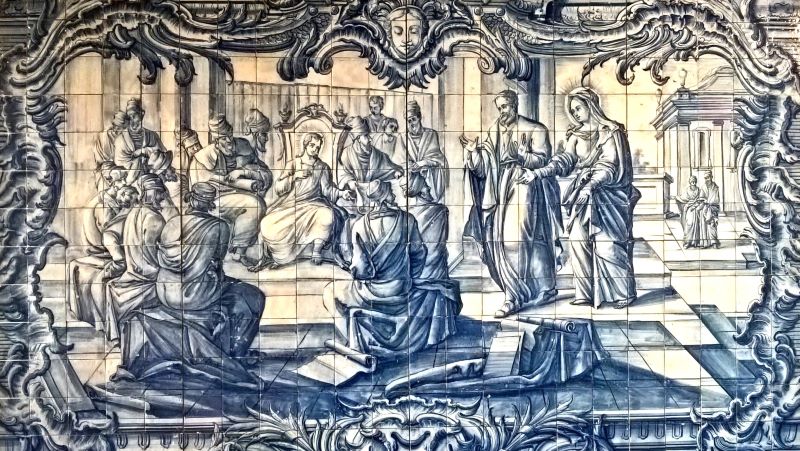
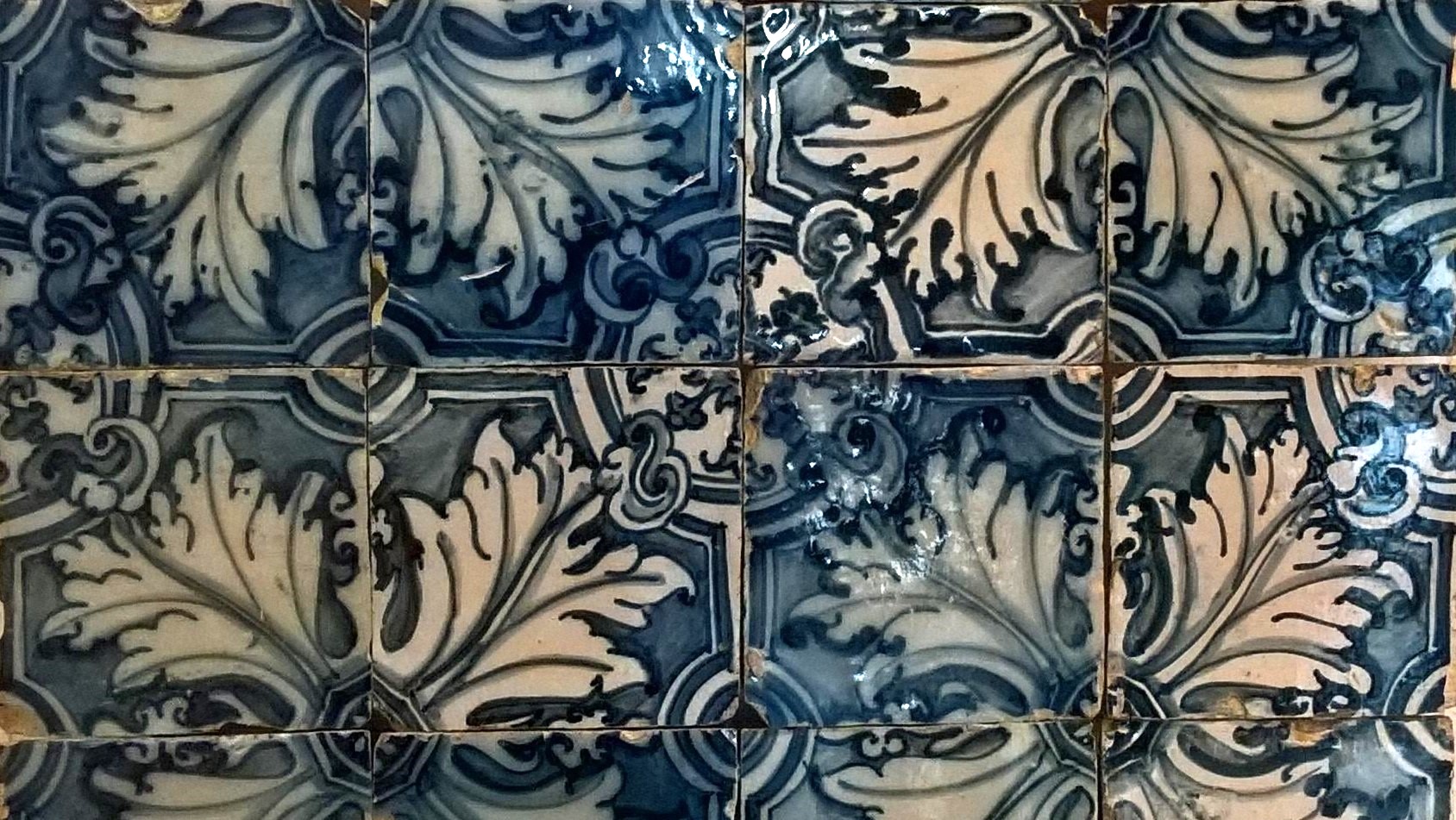
In Portugal, Spain and Morocco, the decorative tiles are mesmerising – and in Lisbon often found on the exterior of buildings. There must have been some serious mathematicians working out the geometry and repeating patterns in the past! Tiles are such an important cultural characteristic that there’s even a (very good) National Tile Museum in Lisbon. The Museum’s website has been under reconstruction but can be found here, hopefully up-to-date by the time you are planning to go. A small amount of information available on the Visit Lisbon website, or Google it. Worth a visit.
The Colours of Lisbon also feature in painted facades. All this colour is perhaps a response to the outgoing lifestyle and sunny weather of Portugal?
When travelling, we often find ourselves drawn to the sea and all thing maritime, so a visit to the Lisbon maritime museum, more correctly known as the Navy Museum, was in order. The website describes the museum well, saying ‘…it seeks to show the Navy in its broad sense, that is, in the various aspects: military, commerce, fishing and leisure. Despite having older pieces, for example from the Roman Period, the Museum’s museological discourse essentially begins in the golden period of the Portuguese Discoveries. From there, it tells the story of the relationship of the Portuguese with the Sea. The objects that help tell this story are quite varied: models of real ships and vessels, paintings and engravings, decorations and weapons, sailing charts and navigation instruments, photographs and diplomas, among many others’.
The sailing vessels on display here are beautifully presented and make one wonder at the arduous journeys undertaken in what seem to be perilously small and under-powered (man powered, with oars occasionally supplemented by sails) boats. We appreciated the fine workmanship and decorative finish on some of these ships.
Sintra is a UNESCO World Heritage site within an easy day trip of Lisbon. We had a hire car, which allowed us to drive back to Lisbon along the Atlantic coast. However, there are many day tours available, and public transport including trains.
The Moorish castle was a highlight for us, providing not only historical context but also expansive views over the area. The climb to the top is worth it on a clear day. The streets of the town are charming, so much so that Lonely Planet describes Sintra as ‘..like a page torn from a fairy tale’.
There’s quite an extensive entry about Sintra and the area in Wikipedia here.
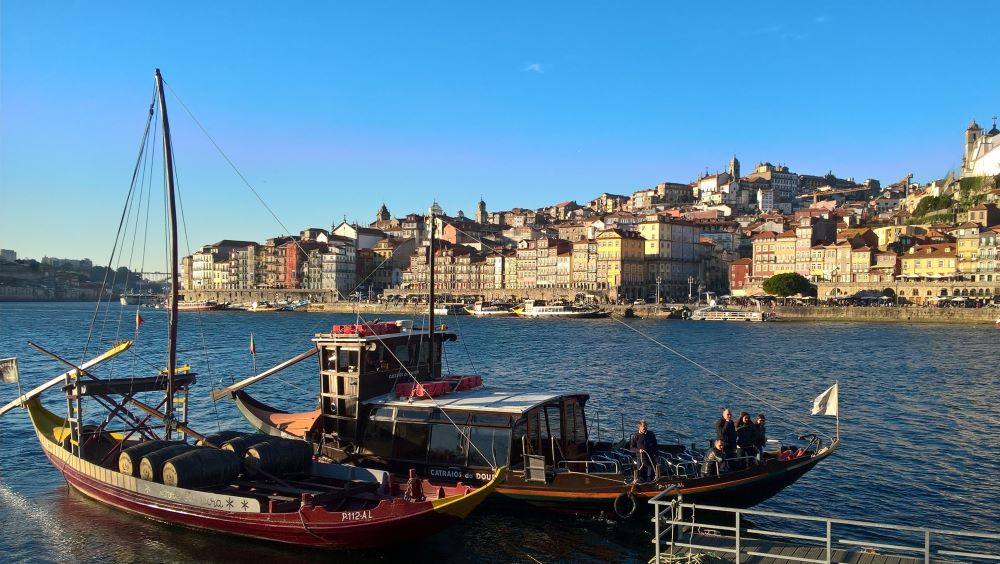
We have very fond memories of Porto. We met friends from the UK here and enjoyed a fun-filled couple of days. Being situated on the River Douro, it’s possible to walk or cycle downstream on one side, take a small local ferry across then come back on the other. Porto is also another place you will see fabulous tiles, including at the train station.
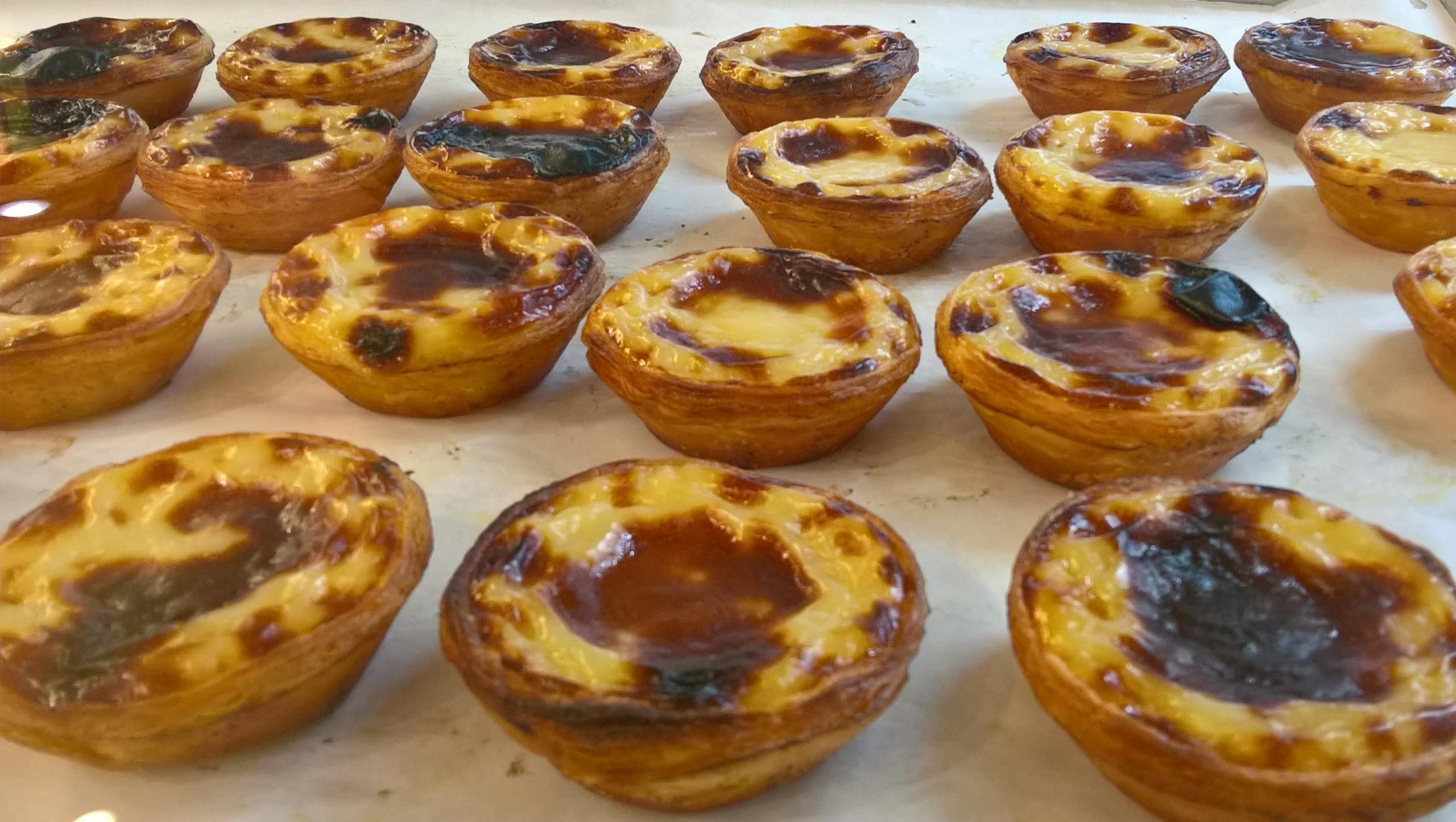
Food and wine are an important part of any visit to Porto. It is home to port – naturally. Take your pick of producers, tour their facilities and sample one of the many fine aged ports available. Caution – they are very easy to enjoy! We were lucky to have the details of a local food producers walking tour shared with us – being out-of-season, it was not available to book. However, we were able to take ourselves on a self-guided tour of some hidden gems and local highlights. Fresh fish, salted cod, King Cake, and unbelievably good Portuguese tarts featured. Seeing the tarts made meant we just had to have another!
Next time we visit, we’ll take a trip upstream to one of the many wineries in the area. What food brings back wonderful memories of a time and place for you? Share it and a photo with us at ideas@travelsampler.world
Faro is located on the southern coast of Portugal and is often one of the first stops for sailors making their way into the Mediterranean. Sheltered by outer islands it provides a safe anchorage and protection from the Atlantic.
Faro’s wetlands and lagoon also provide safe haven for flamingos – bird watching is serious business in and around Faro! We hired bicycles and enjoyed a flat, easy ride while seeking out the flamingos. More about bird watching and walking here from Walk Algarve (and other walks in the area).
Tell us about your favourite place in Portugal by emailing a short paragraph and photo to ideas@travelsampler.world