Kyoto is an opportunity to sample traditional Japan, alongside the contemporary. Many of the crafts of Japan can be found here, either in stores or on display as part of the architecture and streetscape. Beautiful silks and patterned fabrics, exquisite paper and cards, the sharpest of steel knives are all here. We stayed in a traditional timber home with tatami floors, futons and rice paper room dividing screens. This style of Japanese architecture maintains a nod to earthquakes and so is lightweight and could be relatively easy to rebuild. Kyoto is renown for it’s temples and shrines and offers a sample of old Japan.
It’s almost impossible to think of Japan without thinking about the Hiroshima and Nagasaki. The atomic bombs reshaped the world, not just Japan. Visiting these sites is deeply moving. Japan has been thoughtful and carefully presented both sites with clear recognition of the past and a view to a peaceful future. In both instances the focus of public memorials and museums is on peace. Reflections of the past are everywhere but are not overwhelming. Worth a visit and some quiet time to consider what happened and what we never want to see again. The evolution of technology since the end of WWII means an atomic bomb would today wreak havoc on a much greater scale. Not something Japan, or anyone else can contemplate.
Shikoku is Japan’s fourth largest island and offers travellers a wide range of experiences. It’s home to the Shikoku 88 Temple Pilgrimage, which is not yet as well known as the Camino. With ancient temples, lush mountains, glimmering seas and welcoming villages it’s easy to see this pilgrimage could become as popular as the European walk. Go now before it does!
In Takamatsu, you’ll find Ritsurin Park – said to be one of the most impressive Japanese gardens. While we visited in winter, it was easy to see how spectacular the garden would be during the rest of the year. The garden is approximately 16 hectares and includes small lakes and variety of typically Japanese plants, trees, bridges and stone gardens. There’s also a small tile and terracotta museum display.
Ozu, Yame, Takehara and Tamba-Sasayama are among the ancient towns of Japan. You will find these towns scattered through the countryside, many with a concerted effort to preserve their history and architecture. Ozu, on the Hijikawa River, Shinkoku features a restored timber castle tower built with original materials and methods, dating as far back as the Edo period (1600’s). Yame, located on Kyushu is centred around the tea industry, a local specialty and delicacy.
Takehara is situated on the east coast of Honshu, between Osaka and Hiroshima. Originally a sake brewing and salt making town, today it’s buildings reflect the past with softly glowing lattice timber work and whitewashed walls. It’s also the place where we sampled excellent okonomayaki (read about this delicious treat here on Wikipedia. Lots of recipes on the web). Tamba-Sasayama is located just an hour from either Osaka, or Kobe and again, offers easy access to well preserved ancient townscapes. There’s a suggested walking tour here. TravelSampler.world doesn’t often offer recommendations, however in each of these towns we had a wonderful experience staying at Nipponia Hotels (at our own expense). In each town we stayed in a heritage building, updated with modern conveniences while maintaining an authentic Japanese experience. Each hotel served outstanding local produce based meals. Excellent.
Outside Tokyo one of Japan’s treasures is Matsumoto Castle, complete with moat and keep. Well preserved and imposing, it dates from the 16th century. Spectacular at all times, apparently even more so during cherry blossom season. Matsumoto is about 200kms from Tokyo, and is accessible by train via Nagano.
One of the Toyota Museums was another surprise on our visit to Japan. With a car-mad fanatic along for the ride, this museum visit was recommended to us. Located in Nagoya and correctly known at the Toyota Commemorative Museum of Industry and Technology we were fascinated by the textile machinery that is part of the history of Toyota. The unfolding evolution of the Toyota company, and its car manufacturing added depth (and wider interest) to the visit. This is a separate museum to the Toyota Automobile Museum, and is one of the six museums the company operates in Japan. We’ve not yet had the chance to visit the other museums, so would love your feedback. Which Toyota Museum would you recommend? Tell us at ideas@travelsampler.world
Skiing in Japan attracts travellers from across the world. From Niseko in the north to Hakuba (Nagano, +270kms from Tokyo, where the 1998 Winter Olympics were held) there are many options. Japan is famous for ‘Japow’, the dry powdery snow that falls when winter blows the cold winds of Siberia over the warm sea currents off Japan’s coast. This often results in epic snow conditions those of us from the southern hemisphere dream about. Where is your favourite place to ski in Japan? Let us know at ideas@travelsampler.world
At the end of day skiing – or any excuse – a bathhouse is another ‘must try’ experience in Japan. Japan Travel offers a guide to etiquette and encourages travellers to ‘Take a dip into Japanese culture at a public bathhouse’. Hotels and other accommodation providers may also have similar bathing facilities. After cleaning off using the handheld shower and stool, a long soak in a very warm hot tub is a deeply relaxing way to end the day.
Some notes on travelling in Japan – easy, with a little knowledge on your side;
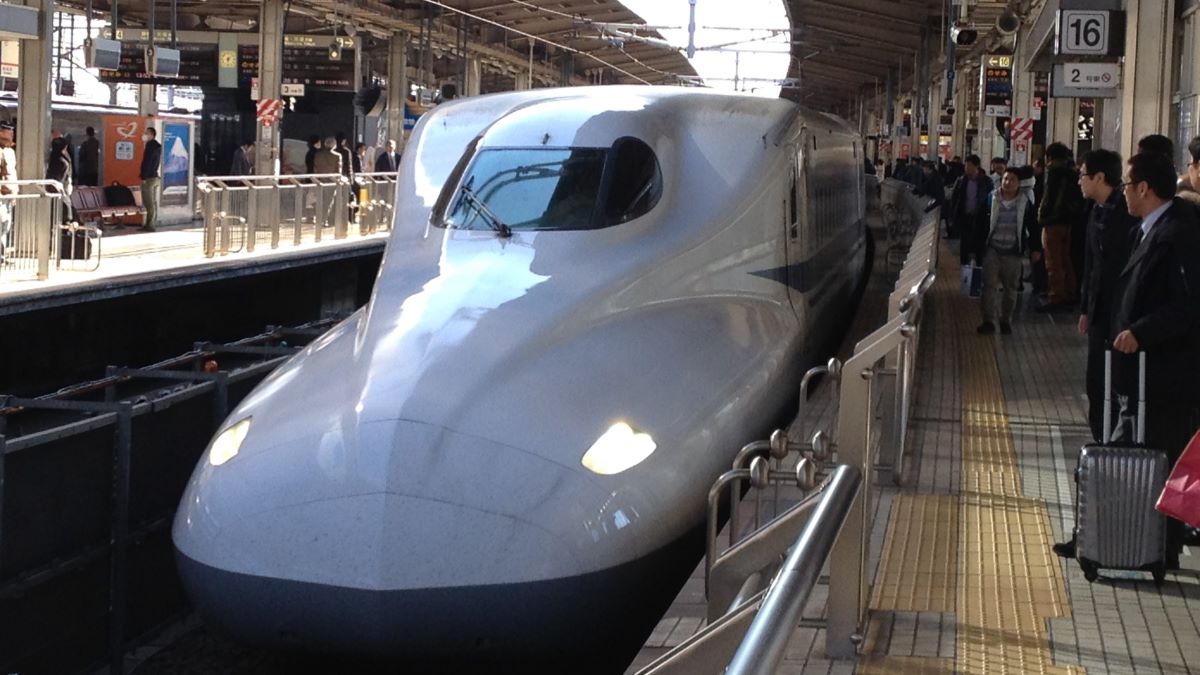
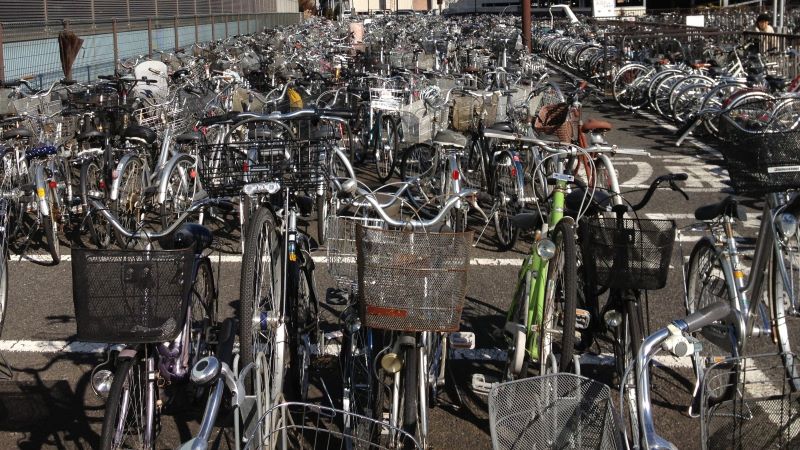
Trains. Getting around Japan is made incredibly easy by the legendary, on time trains including the Shinkansen (Bullet train). Outside train stations you may witness an amazing number of bicycles, still a preferred means of transport for many. Inside, you may find stations give travellers access to high-speed, reliable internet. There’s plenty of signage doubled up in English.
The train stations in major cities are a world unto themselves, especially in the major cities. A sea of people moves through the walkways at all hours of the day. Keep your eye on the signage and when you are feeling lost, just ask someone. We have found Japanese people to be invariably helpful, and most speak at least a little English. One of the translation programs available on mobile phones can help if needed. The stations are sprawling, multi-level, and populated by a plethora of shops and restaurants. The food offering is diverse and often a great place to pick up lunch on the run at a very reasonable price.
One of our favourite Shinkansen journeys is from Tokyo to Kyoto, which takes just over 2 hours to travel approximately 400kms. This is such a popular route; at peak times the trains can run every 10 minutes. The Shinkansen also have a quiet booth for using mobile phones, so you’ll find the trip pleasantly quiet with signage requesting respect for other passenger
What else have you sampled in Japan? Share your experiences and a high-quality photo at ideas@travelsampler.world